

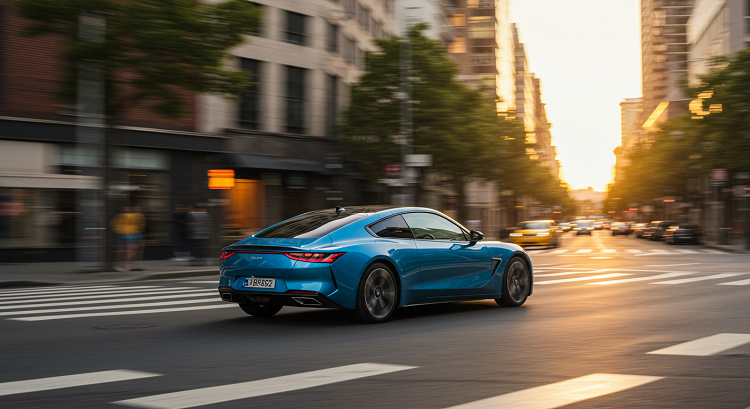
The debate between electric vehicles (EVs) and petrol cars is one of the most important discussions in the automotive world today. For over a century, petrol cars have dominated roads across the globe. They are reliable, familiar, and supported by a vast infrastructure. On the other hand, electric vehicles have emerged as a modern alternative, promising cleaner energy, lower running costs, and cutting-edge technology.
With governments, manufacturers, and consumers increasingly focusing on sustainability, the comparison between EVs and petrol cars has never been more relevant. For buyers, the big question is: which option makes more sense on today’s roads?
Understanding the Basics
Petrol cars operate on internal combustion engines (ICE), burning fuel to generate power. This technology has been refined over decades, making petrol cars efficient, powerful, and well-understood.
Electric cars, however, rely on rechargeable batteries that power electric motors. They do not require fuel tanks or exhaust systems, and their operation produces zero tailpipe emissions. As charging networks grow and battery technology improves, EVs are becoming a mainstream alternative to traditional vehicles. EV Blogsoften explore these differences in detail, helping drivers understand how each type of vehicle fits into modern driving needs.
Cost Comparison: Upfront and Long-Term
One of the first considerations for most buyers is cost.
Petrol Cars
Petrol cars usually have a lower upfront purchase price compared to EVs. This makes them accessible to a larger number of buyers. Additionally, the resale market for petrol cars is well-established, giving owners more flexibility when upgrading.
However, running costs are significantly higher. Petrol prices fluctuate and often trend upward. Maintenance expenses such as oil changes, fuel filters, and regular engine servicing add up over time.
Electric Vehicles
EVs tend to have a higher upfront cost, mainly due to expensive battery packs. Yet, governments in many regions offer incentives, subsidies, or tax benefits to make them more affordable.
In terms of running costs, EVs are much cheaper to operate. Electricity is less expensive than petrol on a per-kilometer basis, and maintenance requirements are lower due to fewer moving parts. Over the vehicle’s lifespan, EV owners usually spend much less than those with petrol cars.
Environmental Impact
The environmental argument is one of the strongest factors in favor of EVs.
Petrol Cars
Petrol engines emit carbon dioxide (CO₂) and other pollutants such as nitrogen oxides and particulate matter. These emissions contribute to air pollution, smog, and climate change. The reliance on fossil fuels also raises concerns about sustainability, as oil reserves are finite.
Electric Vehicles
EVs produce no tailpipe emissions, which makes them far cleaner in terms of city air quality. The overall environmental impact depends on the source of electricity used for charging. In regions where renewable energy is common, EVs offer a much smaller carbon footprint. Even in areas reliant on coal, studies show that EVs typically generate fewer lifetime emissions than petrol cars.
Driving Experience
For many, the feel of driving is just as important as cost or environmental impact.
Petrol Cars
Petrol cars are known for their responsiveness, high speeds, and a sense of familiarity. Drivers appreciate the convenience of quick refueling and the wide variety of models available, from budget hatchbacks to luxury sedans and sports cars.
Electric Vehicles
EVs provide a very different experience. Instant torque gives them faster acceleration, even in modest models. They run quietly, offering smoother rides without engine vibrations. For city driving, EVs often feel more comfortable and modern. However, some drivers miss the sound and feel of traditional engines, especially enthusiasts who enjoy performance cars.
Refueling vs Charging Convenience
Petrol Cars
Refueling a petrol car is quick and easy. With an extensive global network of petrol stations, drivers rarely worry about running out of fuel. A full tank usually takes less than five minutes to fill, making petrol cars highly convenient for long journeys.
Electric Vehicles
Charging is the main challenge for EVs. While home charging is convenient for owners with private garages, not everyone has this option. Public charging stations are increasing, but the network is still limited in many areas. Fast-charging technology is reducing charging times, but even the quickest chargers take longer than filling a petrol tank. Planning ahead becomes important for EV drivers, especially on long trips.
Maintenance and Reliability
Petrol Cars
Internal combustion engines are complex and require regular servicing. Components such as oil filters, spark plugs, exhaust systems, and clutches are prone to wear and tear. Over time, maintenance costs can be significant.
Electric Vehicles
EVs have fewer moving parts and do not require oil changes or traditional engine maintenance. Brakes also last longer due to regenerative braking systems. This makes EVs more reliable in the long run, with fewer chances of mechanical breakdowns. However, battery health remains a concern, and replacing a degraded battery can be expensive.
Range and Practicality
Petrol Cars
Petrol cars have a clear advantage in range. A full tank can often take a car 500–800 kilometers, and refueling is quick. This makes petrol cars more practical for long-distance travel and rural areas where charging infrastructure is limited.
Electric Vehicles
EVs typically have ranges between 200–500 kilometers, depending on the model. While this is sufficient for most daily commutes, long journeys require careful planning. As battery technology advances, new EVs are beginning to offer ranges comparable to petrol cars, but at higher price points.
Resale Value
Petrol Cars
The resale market for petrol cars is mature, making it easy for owners to sell or trade in their vehicles. However, as governments tighten emission regulations, the long-term value of petrol cars may decline.
Electric Vehicles
The resale market for EVs is still developing. Battery life and technology improvements affect resale values, as buyers may prefer newer models with better range and faster charging. However, as EV adoption grows, resale values are expected to stabilize.
Global Trends and Future Outlook
The shift towards electric mobility is accelerating worldwide. Governments in Europe, North America, and Asia are setting deadlines to phase out petrol and diesel cars, pushing manufacturers to prioritize electric models. Companies like Tesla, BYD, and traditional automakers are investing heavily in EV technology.
Petrol cars, however, will remain on roads for decades. Their affordability and convenience make them hard to replace instantly, especially in developing countries where infrastructure growth is slower.
Which is Better for Roads?
The answer depends on perspective.
- For daily commuters in cities, EVs are often the better choice due to low running costs, quiet operation, and zero emissions.
- For long-distance travelers and rural areas, petrol cars currently offer more convenience thanks to extensive fueling networks and higher range.
- For the future, EVs appear to be the winning option, as technology advances and governments push for cleaner transport solutions.
Final Thoughts
The comparison between EVs and petrol cars is not about declaring one as universally better. Instead, it’s about understanding which type of vehicle fits an individual’s lifestyle and needs. Petrol cars remain practical and accessible, especially for long-distance driving. EVs, however, represent the future, with cleaner energy, advanced technology, and lower running costs.
For now, both will coexist on roads, each serving different drivers and situations. But as the world moves toward sustainability, the balance is gradually shifting in favor of electric vehicles.